The Ultimate Guide to Creating a Personal Budget
Creating a personal budget is one of the most crucial steps you can take toward achieving financial stability and success. A budget helps you understand where your money is coming from, where it's going, and how you can make the most of it. Whether you're saving for a big purchase, trying to pay off debt, or just want to gain better control over your finances, a well-planned budget is your roadmap to financial freedom. By tracking your income and expenses, you can identify spending patterns, set financial goals, and allocate resources more effectively. In this ultimate guide, we'll walk you through the steps to create a personal budget that works for you, ensuring you make informed financial decisions and stay on track to meet your financial objectives.
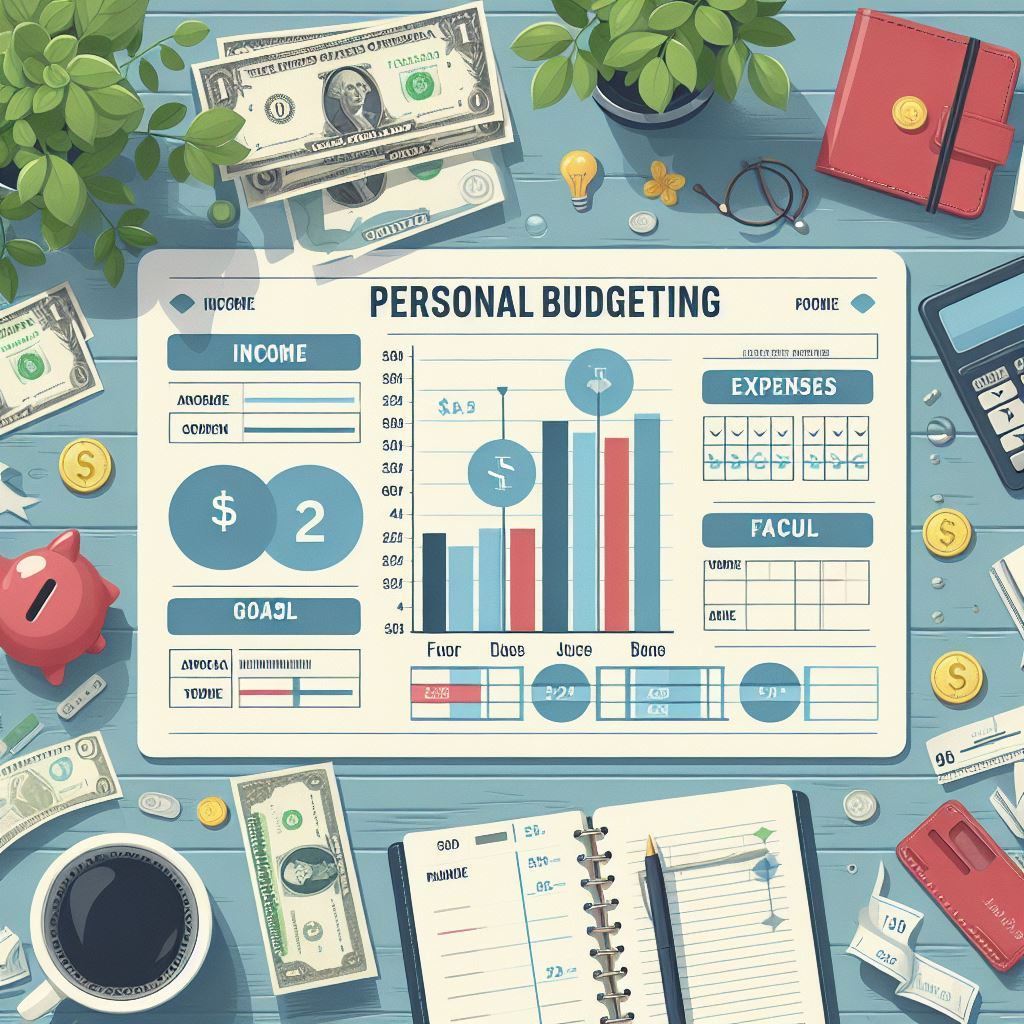
Step 1: Determine Your Income
The first step in creating a budget is to determine your total monthly income. Include all sources of income, such as your salary, bonuses, freelance work, rental income, and any other sources of income you may have. If your income varies from month to month, it's best to use an average of your monthly income over the past few months.
Step 2: Calculate Your Expenses
Next, you'll need to track your expenses. Start by listing all of your monthly expenses, including fixed expenses like rent or mortgage payments, utilities, insurance premiums, and loan payments. Then, add in variable expenses such as groceries, dining out, entertainment, transportation, and any other discretionary spending.
Step 3: Differentiate Between Needs and Wants
Once you've listed all of your expenses, categorize them into needs and wants. Needs are essential expenses that you must pay every month, such as housing, utilities, groceries, and transportation. Wants are non-essential expenses that you could live without if necessary, such as dining out, entertainment, and shopping.

Step 4: Set Financial Goals
Now that you know how much money you're bringing in and where it's going, it's time to set some financial goals. Whether you're saving for a vacation, a new car, a down payment on a house, or retirement, having specific financial goals will help you stay motivated and focused on your budget.
Step 5: Create Your Budget
Using the information you've gathered, create a budget that allocates your income toward your various expenses and financial goals. Start by subtracting your total expenses from your total income. If you have money left over, allocate it toward your financial goals, such as saving for retirement, paying off debt, or building an emergency fund. If you're spending more than you're earning, you'll need to find ways to cut back on expenses or increase your income.
Step 6: Track Your Spending
Once you've created your budget, it's important to track your spending to ensure that you're sticking to it. There are many budgeting apps and tools available that can help you track your spending and stay on top of your finances. Make it a habit to review your budget regularly and make adjustments as needed.
Step 7: Review and Adjust
Finally, make it a point to review your budget regularly and make adjustments as needed. Life changes, and so do your financial circumstances. You may get a raise, have a new expense, or decide to pursue a new financial goal. By regularly reviewing and adjusting your budget, you can ensure that it continues to meet your needs and help you achieve your financial goals.
Conclusion
Creating a personal budget is the first step toward taking control of your finances and achieving your financial goals. By following these seven steps, you can create a budget that works for you and helps you achieve financial success. Remember, the key to a successful budget is to be realistic, flexible, and disciplined. With a little effort and determination, you can take control of your finances and build a secure financial future.