Mars Exploration: The Quest for Life Beyond Earth
Introduction:
Mars, the red planet, has captivated the imagination of scientists and the public alike for centuries. As the most Earth-like planet in our solar system, Mars has long been a prime candidate in the search for life beyond our own planet. Over the past few decades, numerous missions have been sent to explore Mars, each one revealing new insights into the planet's history and potential for life. From the discovery of ancient riverbeds and vast ice deposits to the detection of complex organic molecules, these missions have painted a picture of a world that may have once harbored conditions suitable for life. The recent successes of rovers like Curiosity and Perseverance have further fueled our curiosity, uncovering evidence of past water activity and providing crucial data that could answer the age-old question of whether life ever existed on Mars.

The Search for Water:
One of the most compelling reasons to explore Mars is the search for water. Water is essential for life as we know it, and evidence suggests that Mars was once a much wetter and warmer planet than it is today. In recent years, spacecraft orbiting Mars have discovered vast networks of ancient riverbeds, lakebeds, and even evidence of an ancient ocean.
The Curiosity Rover:
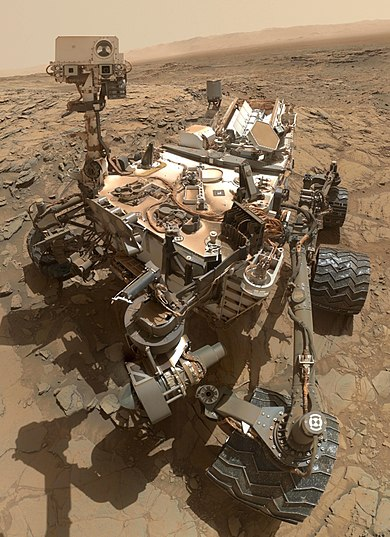
One of the most successful Mars missions to date is the Mars Science Laboratory mission, which landed the Curiosity rover on the surface of Mars in August 2012. Equipped with a suite of scientific instruments, including cameras, spectrometers, and a drill, Curiosity has spent the past decade exploring the Martian surface, searching for signs of past habitability and the potential for life.
One of Curiosity's most significant discoveries came in 2013 when it drilled into a rock known as "Yellowknife Bay" and found evidence of ancient freshwater lakes that could have supported microbial life billions of years ago. Since then, Curiosity has continued to explore Gale Crater, the 96-mile-wide (154 kilometers) basin where it landed, uncovering new clues about Mars' past and present.
The Search for Organic Molecules:
In addition to water, another key component for life is organic molecules, the building blocks of life as we know it. In 2018, NASA's Curiosity rover made a groundbreaking discovery when it detected complex organic molecules preserved in ancient rocks on Mars. These molecules, which included organic carbon compounds, provide further evidence that Mars was once a habitable planet.
The Perseverance Rover:
The search for life on Mars took a significant leap forward in February 2021 with the successful landing of NASA's Perseverance rover in Jezero Crater, an ancient lakebed that is thought to have once contained water. Equipped with an array of advanced scientific instruments, including cameras, spectrometers, and a drill, Perseverance is on a mission to search for signs of past microbial life and collect samples for future return to Earth.
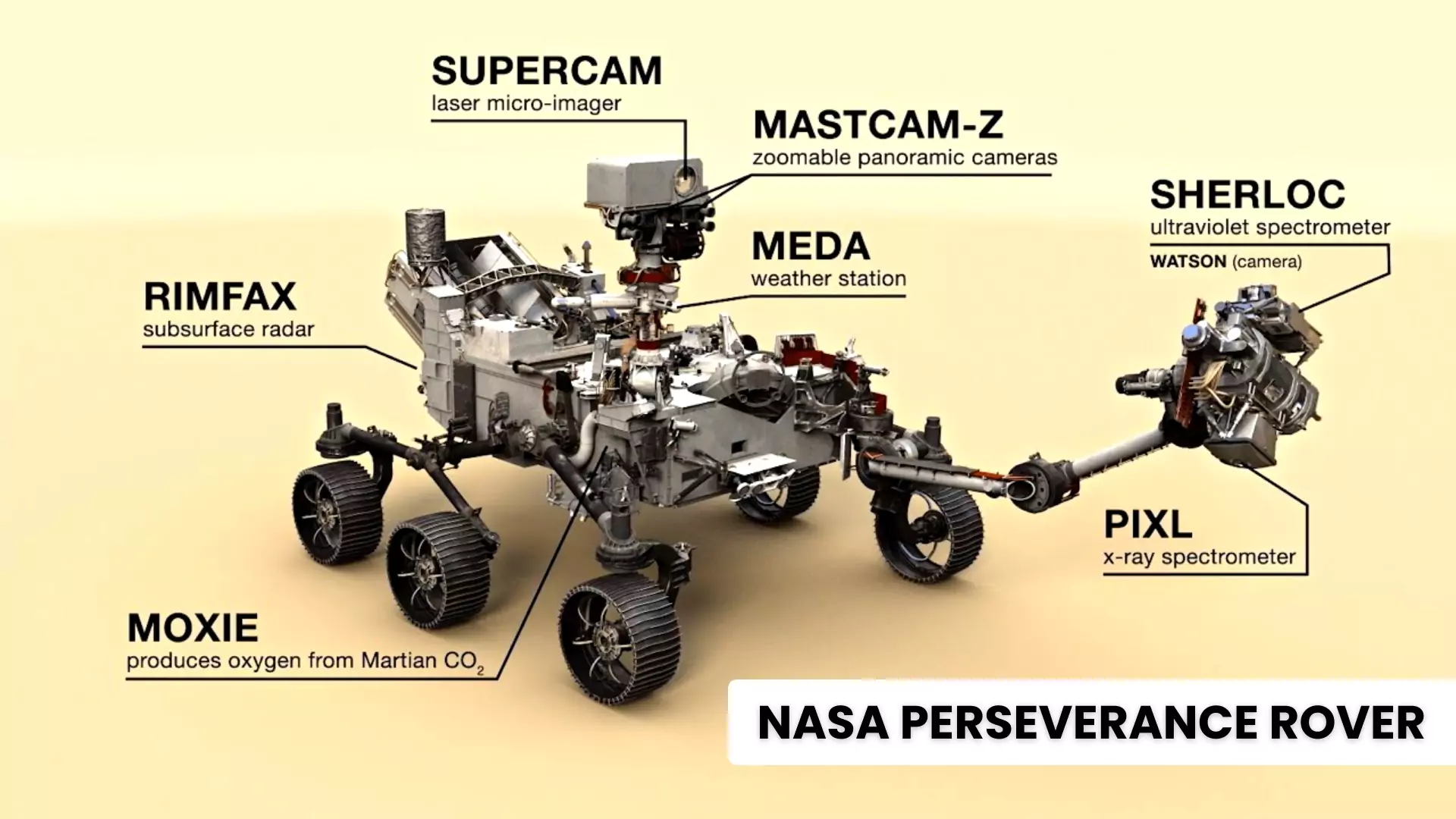
One of Perseverance's primary objectives is to study the geology and climate of Mars in order to better understand its past and present habitability. In addition to its scientific instruments, Perseverance is also carrying a small helicopter named Ingenuity, which made history in April 2021 when it became the first aircraft to make a powered, controlled flight on another planet.
The Future of Mars Exploration:
As our understanding of Mars continues to grow, so too does our interest in sending humans to the red planet. NASA is currently planning to send astronauts to Mars in the 2030s as part of its Artemis program, which aims to establish a sustainable human presence on the Moon and eventually send humans to Mars.
Conclusion:
The exploration of Mars represents one of the greatest scientific and technological challenges of our time. By studying the red planet, we not only learn more about our nearest neighbor in the solar system but also gain valuable insights into the potential for life beyond Earth. With each new discovery, we come one step closer to answering one of humanity's oldest and most profound questions: are we alone in the universe?