The Rise of Esports: Exploring the World of Competitive Gaming
In recent years, esports has emerged as one of the fastest-growing industries in the world, captivating millions of fans and generating billions of dollars in revenue. What was once considered a niche hobby has now become a global phenomenon, with professional gamers competing for fame, fortune, and glory. As technology advances and internet connectivity becomes more widespread, esports has transcended geographical boundaries, allowing players and fans to connect from every corner of the globe. From major tournaments filling arenas to online streaming platforms boasting millions of viewers, the rise of esports reflects a cultural shift towards digital entertainment and competitive gaming as a legitimate spectator sport.

The Origins of Esports:
While competitive gaming has been around for decades, the modern esports industry began to take shape in the late 1990s and early 2000s with the rise of games like "StarCraft," "Counter-Strike," and "Quake." These early tournaments were small-scale events, often organized by passionate fans and amateur gaming leagues. However, as the popularity of online gaming grew, so too did the demand for professional esports competitions.
The Growth of Competitive Gaming:
The turn of the 21st century saw the emergence of professional esports organizations, dedicated gaming leagues, and major tournaments with substantial prize pools. Games like "League of Legends," "Dota 2," and "Counter-Strike: Global Offensive" became household names, attracting millions of players and spectators from around the world. Today, esports events fill stadiums, draw online audiences in the millions, and offer prize pools that rival those of traditional sports.
The Esports Ecosystem:
The esports industry is made up of various stakeholders, including game developers, tournament organizers, professional teams, sponsors, and, of course, the players themselves. Game developers play a crucial role in shaping the esports landscape by creating titles that are not only fun to play but also engaging to watch. Tournament organizers, such as ESL, DreamHack, and Riot Games, host some of the biggest esports events in the world, including the League of Legends World Championship and The International Dota 2 Championships.
Professional Esports Teams:
Professional esports teams are the backbone of the industry, with organizations like Team Liquid, Fnatic, and Evil Geniuses fielding rosters of top-tier players across multiple games. These teams provide players with salaries, training facilities, coaching staff, and opportunities to compete in major tournaments around the world. Many top esports players have become celebrities in their own right, with lucrative endorsement deals, sponsorship agreements, and massive social media followings.
The Business of Esports:
The esports industry is big business, with revenue streams that include advertising, sponsorship, media rights, merchandise sales, and ticket sales. According to Newzoo, a leading provider of market intelligence for the esports industry, global esports revenues are projected to surpass $1.5 billion by 2023. Major brands like Coca-Cola, Intel, and Red Bull have invested heavily in esports, sponsoring tournaments, teams, and individual players to reach the coveted 18-34 demographic.
The Future of Esports:
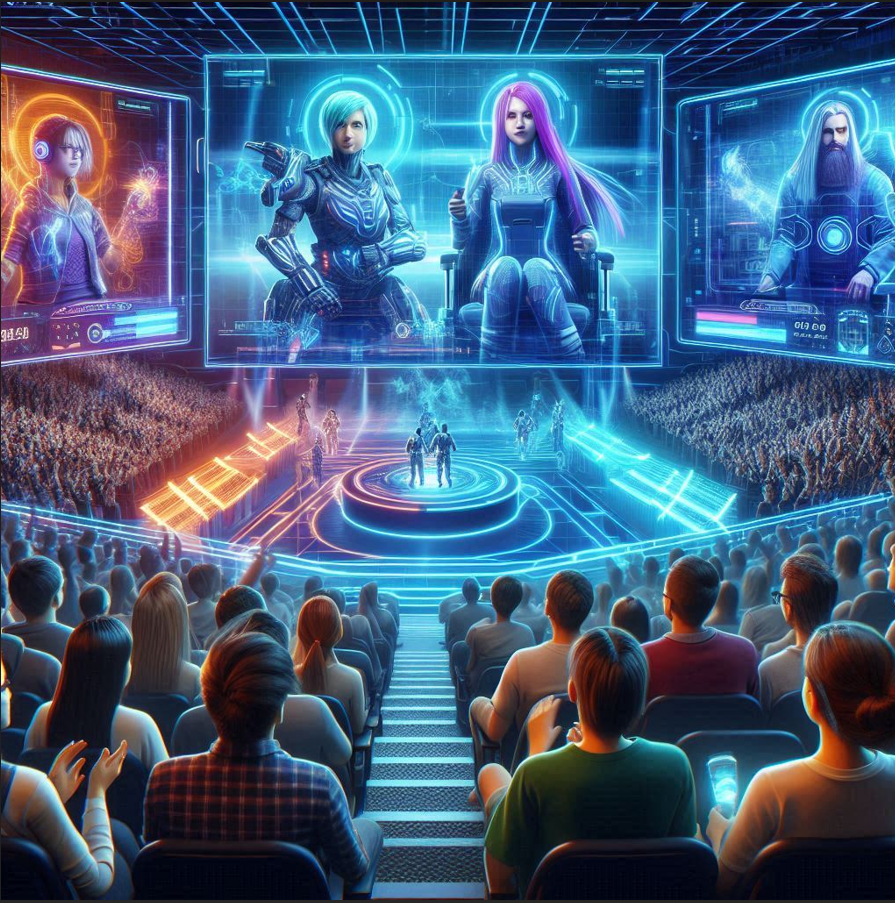
As technology continues to advance, the future of esports looks brighter than ever. Virtual reality, augmented reality, and artificial intelligence are poised to revolutionize the gaming experience, offering players and spectators new ways to engage with their favorite games. Esports will also continue to expand into new markets, with growing interest from regions like Asia, Latin America, and the Middle East.
Conclusion:
In conclusion, the rise of esports represents a seismic shift in the world of entertainment, as competitive gaming takes its place alongside traditional sports as a legitimate form of competition and entertainment. With its rapidly growing fan base, lucrative revenue streams, and ever-expanding list of games and tournaments, esports shows no signs of slowing down anytime soon. Whether you're a casual gamer or a die-hard fan, the world of competitive gaming offers something for everyone to enjoy.